

How to Wire a Dual Battery System for Maximum Efficiency?
Installing a second battery on an e-bike can significantly increase the range, but it needs to be wired correctly to ensure safety and efficiency. Parallel connection is a common choice, which can increase the capacity (Ah) rather than the voltage, so that two batteries can be powered together to extend the riding time. When wiring, you need to prepare tools and parts such as battery isolation switches, battery balancers, and smart BMS. After parallel wiring, it is recommended to use a smart BMS to monitor battery health, check voltage regularly, and balance the charge.
Read moreabout How to Wire a Dual Battery System for Maximum Efficiency?
How to Lock and Secure Your Ebike When Commuting in the City?
In cities, the safety of e-bikes is of utmost importance. Due to their high value, e-bikes are easy targets for theft. To protect your investment, it is recommended to use a high-quality U-lock and chain lock to ensure that the frame and wheels are fixed to a solid object. In addition, choose a well-lit and high-traffic area to park your bike, and avoid parking your bike in a remote or poorly lit corner. If possible, park your bike in an area with surveillance cameras, or use a smart lock with GPS tracking and motion alarm functions for added security. Although these measures cannot completely prevent theft, they can greatly increase the difficulty of thieves, thereby reducing the risk of your e-bike being stolen.
Read moreabout How to Lock and Secure Your Ebike When Commuting in the City?
How to Choose the Right Motor for a 100-Mile Ebike: Torque vs. Efficiency
When choosing an electric bike motor for a 100-mile range, the key is to balance torque and efficiency. Mid-mounted motors are generally better for complex terrain and long-distance riding because they can use energy and gears more efficiently. For example, a 750W mid-mounted motor with a 1000Wh battery can provide a range of about 100 to 110 miles. In addition, riding habits are also important. Small habits such as using low assist pedal levels, avoiding full throttle starts, and keeping tires properly inflated can significantly increase the range.
Read moreabout How to Choose the Right Motor for a 100-Mile Ebike: Torque vs. Efficiency

Do You Need a License for a Commuter Ebike? Legal Rules by State
Read moreabout Do You Need a License for a Commuter Ebike? Legal Rules by State
Trump's New Tariffs: What They Mean for America’s E-Bike Riders
Read moreabout Trump's New Tariffs: What They Mean for America’s E-Bike Riders
What Is the Future of Long-Range Ebike Battery Technology?
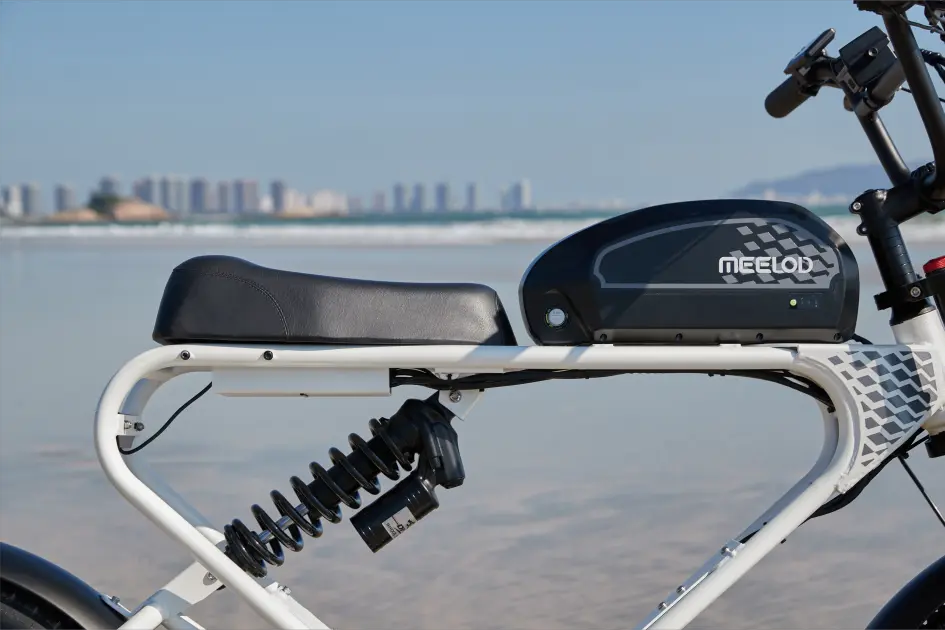
With the continuous advancement of technology, the development prospects of long-range electric bicycle batteries are broad. New technologies such as solid-state batteries, lithium-sulfur batteries and graphene-enhanced batteries are driving a significant increase in the range of electric bicycles, and in the future, a single-charge range of 150 miles is expected. At the same time, breakthroughs in fast charging technology will significantly shorten the charging time, which is expected to be reduced to less than 20 minutes. In addition, the application of intelligent battery management systems (BMS) will further improve battery performance and service life. These innovations not only meet consumers' demand for longer range and faster charging, but also provide support for the sustainable development of electric bicycles.
Read moreabout What Is the Future of Long-Range Ebike Battery Technology?
The Best Commuter Ebike Accessories for Safety and Comfort
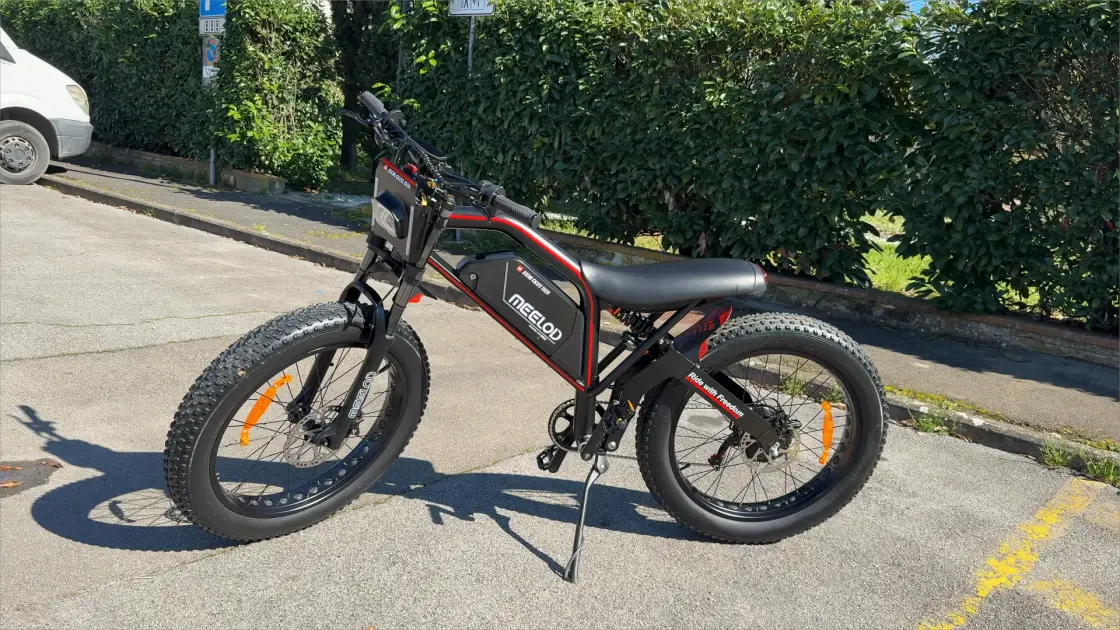
To ensure the safety and comfort of e-bike commuting, it is crucial to choose the right accessories. In terms of safety, high-quality helmets, front and rear LED lights, reflective equipment and anti-theft locks are essential. In terms of comfort, padded saddles, ergonomic handlebars, splash guards and waterproof baskets can significantly improve the riding experience. These accessories not only improve the safety of riding, but also make commuting more comfortable and convenient.
Read moreabout The Best Commuter Ebike Accessories for Safety and Comfort
Solar Charging for 100-Mile eBikes: Is It Practical for Long-Distance Travel?
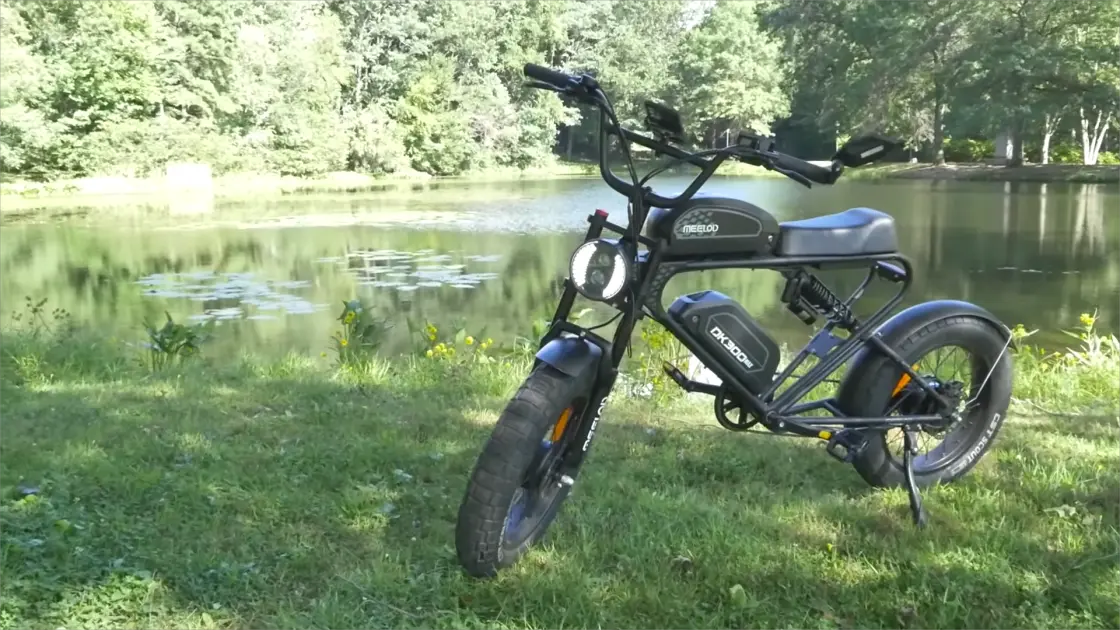
Cycling enthusiasts want to charge their e-bikes with solar energy to increase range and reduce reliance on traditional charging. Solar-powered e-bike touring uses solar panels to convert sunlight into electricity to power the ride. However, whether solar charging is suitable for long-distance e-bike touring (such as 100 miles on a single charge) depends on several factors, including solar charging efficiency, battery capacity, and travel conditions.
At the heart of solar charging are the photovoltaic cells in the solar panels, which convert sunlight into electricity that can be directly charged or stored in the e-bike battery. There are three main types of solar panels: rigid panels (high efficiency but bulky), foldable panels (portable but slightly less efficient), and flexible panels (light and easy to install, but may be less durable).
Solar charging can provide additional range support for e-bikes, but it is not yet sufficient as the main charging method for long-distance touring. It is more suitable as a backup power source or range extender, especially for environmentally conscious riders and off-grid charging solutions. Future technological advances may make solar-powered e-bike touring more mainstream.
Read moreabout Solar Charging for 100-Mile eBikes: Is It Practical for Long-Distance Travel?
How to Reduce Rolling Resistance and Increase Your Ebike’s Range?
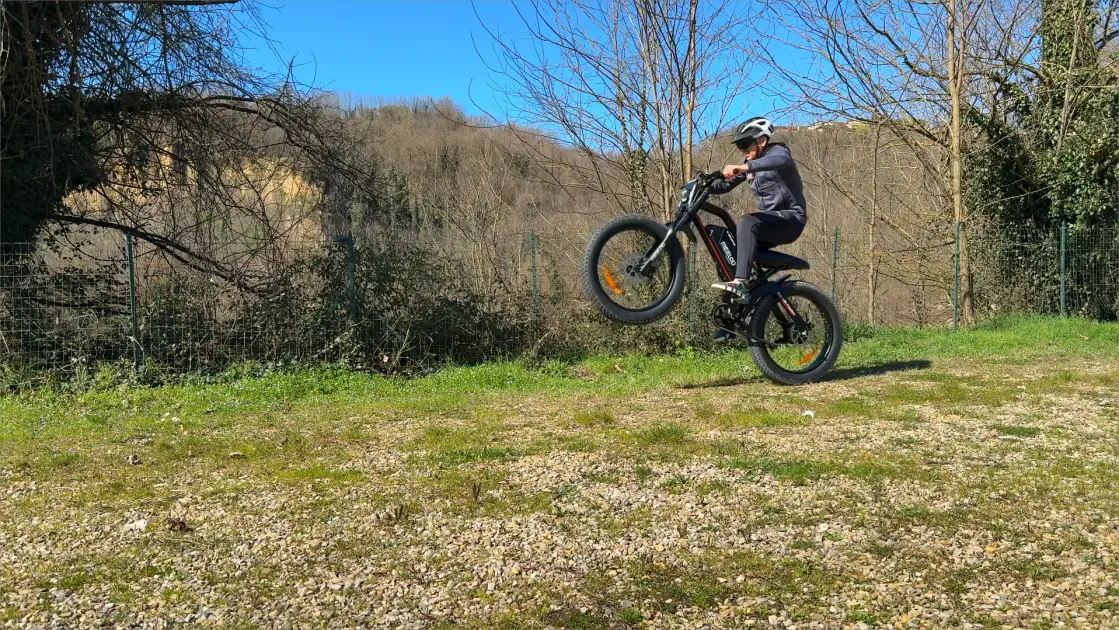
To effectively extend the range of an e-bike, focus on minimizing rolling resistance rather than upgrading motor units and battery packs. Rolling resistance, caused by the deformation and recovery of tires during motion, can significantly drain the battery. By selecting low rolling resistance tires, maintaining proper tire pressure, and performing regular maintenance, you can boost efficiency and improve the distance traveled on each battery charge. Additionally, understanding factors like terrain, riding style, battery capacity, and weight can further help in maximizing e-bike range.
Read moreabout How to Reduce Rolling Resistance and Increase Your Ebike’s Range?